
On this episode of The Motoring Historian, Jon Summers summarizes a Western Automotive Journalists recap of CES 2026 led by chair Charlie Vogelheim, arguing that major auto innovation has shifted from traditional auto shows to CES. He frames the industry around electrification, autonomy, connectivity, and shared mobility, noting huge spending since 2010 largely from outside traditional OEMs, and discusses how autonomy remains harder than early forecasts.
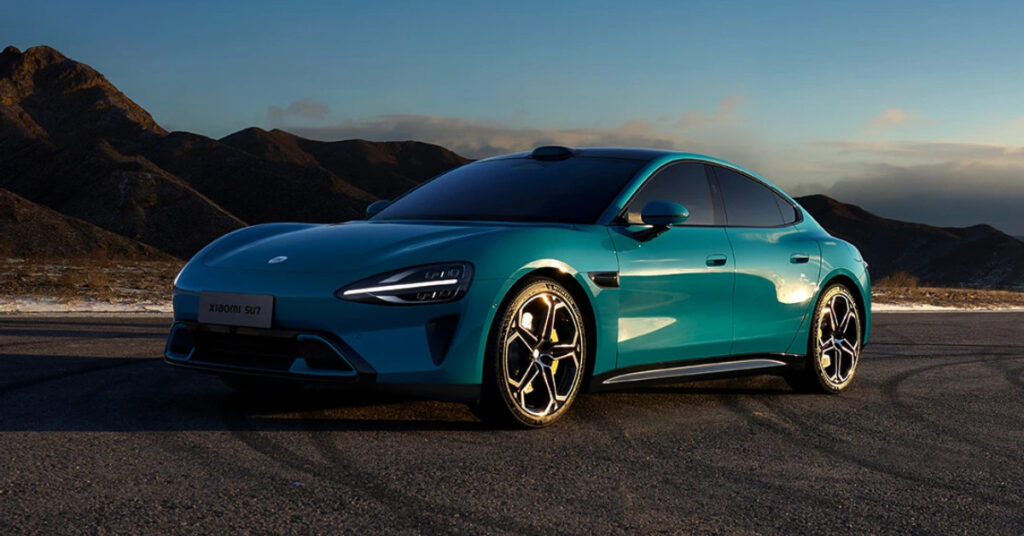
Highlights include Waymo’s sixth-generation vehicles with 29 sensors and expansion to colder cities; Nvidia’s open AI platform; Uber’s planned 2026 Lucid Gravity-based autonomous rollout; Qualcomm’s single-chip ADAS/infotainment concept enabling cheaper EVs and reinforcing “software-defined” cars like Xiaomi’s ecosystem approach; bolt-on ADAS from comma.ai; Zoox demos; Mercedes “Level 2++”; Sony-Honda’s expensive Afeela; Germany’s remotely driven Vay concept; and standout tech like a hovering flying motorcycle and Donut Lab’s solid-state battery designs.
Notes
Jon Summers is the Motoring Historian. He was a company car thrashing technology sales rep that turned into a fairly inept sports bike rider. On his show he gets together with various co-hosts to talk about new and old cars, driving, motorbikes, motor racing, motoring travel.
- Charlie Vogelheim
- Western Automotive Journalists
- NAIAS vs CES
- Three revolutions vs ACES (Autonomy, Connectivity, Electrification, Shared)
- Revolutions delayed
- Vain and ridesharing
- Waymo User Experience
- Waymo vs. Uber
- The Waymo Jaguar iPace
- Waymo algorithm perfect for San Francisco
- Waymo and the recent power cut in San Francisco
- Waymo at CES with the Geely Zeekr / Ojai
- The return of the vis-a-vis body style
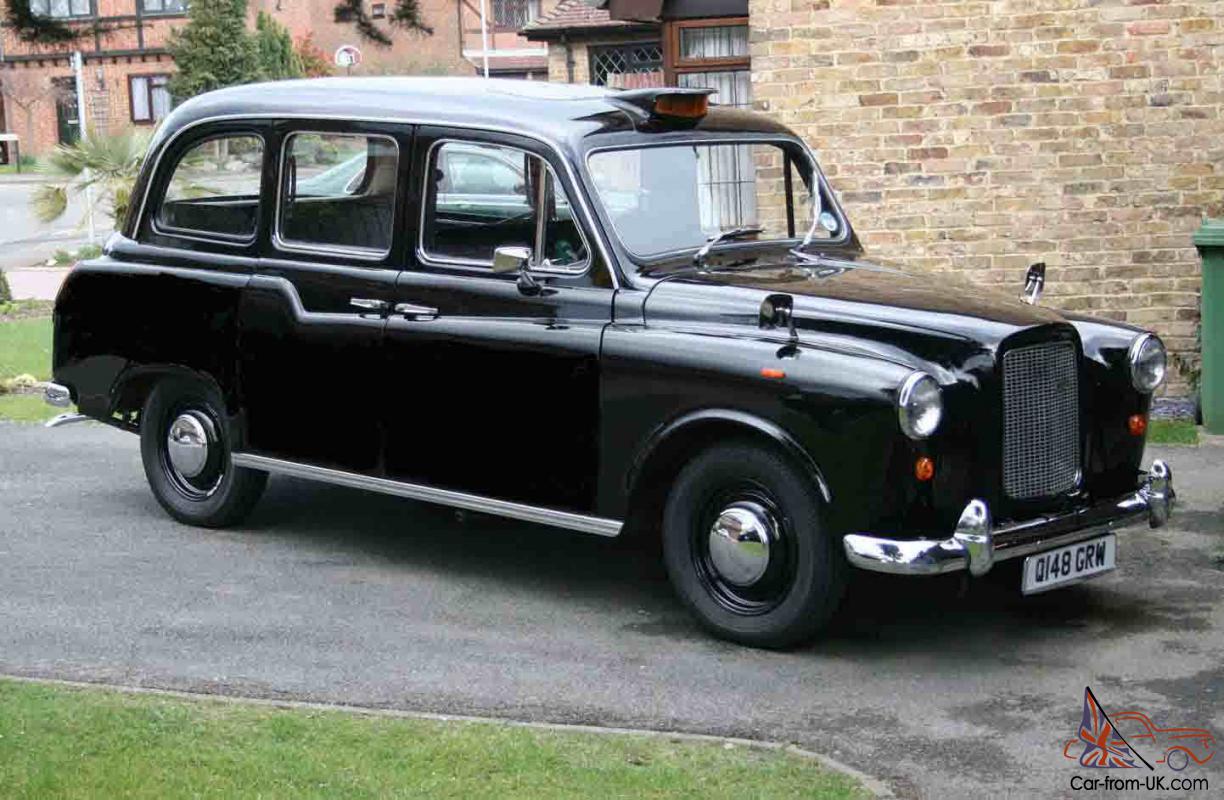
- Suicide doors and the Austin FX4
- 29 sensors on the Waymo
- Lucid Gravity, the platform of choice for CES ‘26
- Qualcomm; two apps on one chip
- Freiburger and the car of 100 years ago
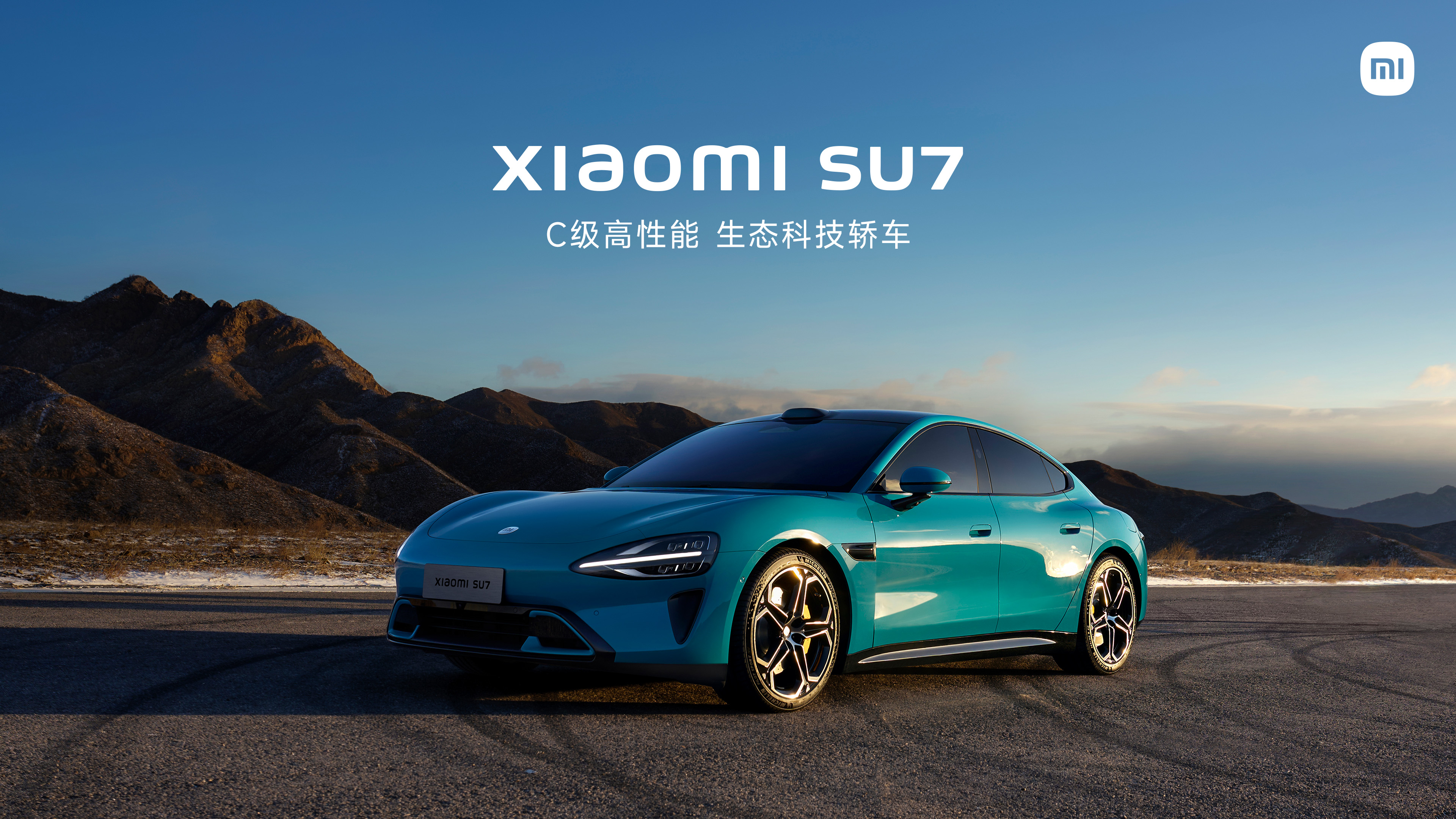
- Xaomi – “Shami” – and the Importance of Ownership of the Software Stack – avoiding production delays due to logistics delays getting chips like Ford during the pandemic
- Robovac Supercar
- Tensor
- Comma.ai – “community development”
- George Barris
- Gene Winfield
- Frenched Headlights
- Paris Madrid “Death Race” of 1903
- Hyundai exoskeleton
- BMW Neue Klasse
- Waymo on the freeway
- Mercedes Level 2++, whatever that is
- Sony / Honda Afeela
- Vay, remote controlled vehicles and incrementality on the path to autonomy
- Hot Tube Ignition of 100+ years ago giving way to magnetos etc
- Leo Flying motorcycle
- Donut – solid state battery
- Sum Up – Supercars as a flex. Which is cool.
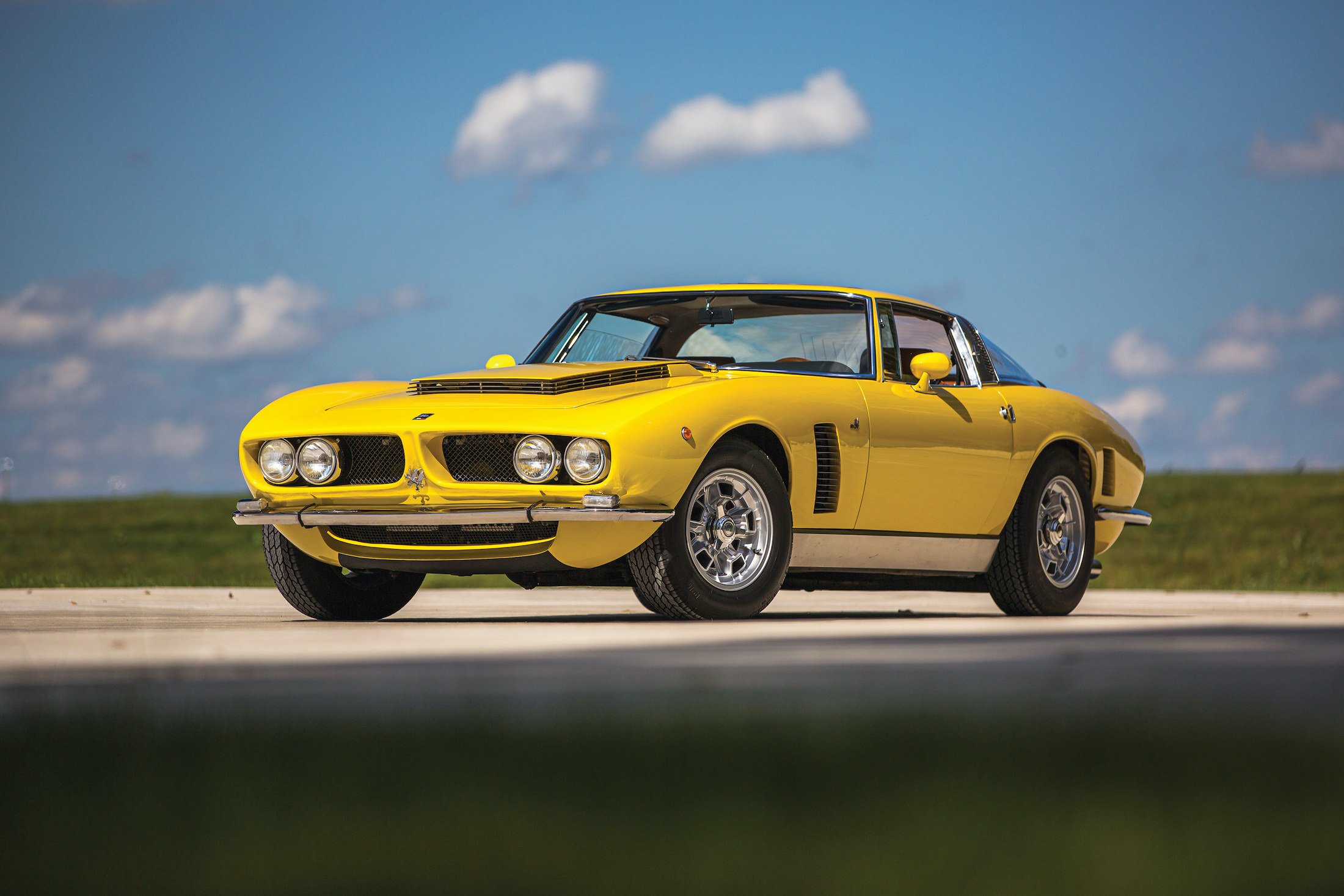
- Iso Grifo, Iso Fridge
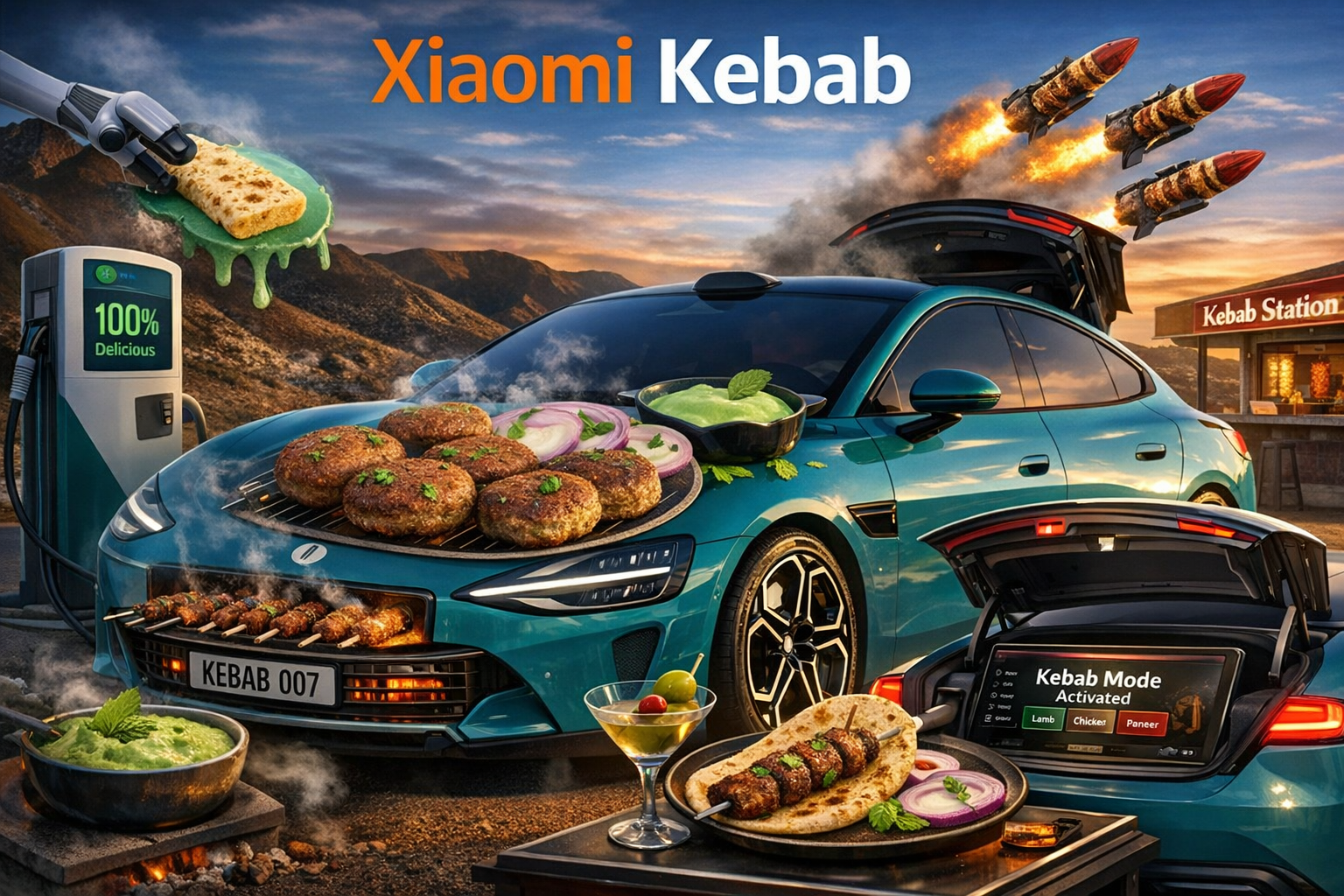
- Shami kebab – it is a car ?
- Suffocate if you go faster than 60mph
Transcript
[00:00:00] John Summers is the motoring historian. He was a company car thrashing technology sales rep that turned into a fairly inept sports bike rider hailing from California. He collects cars and bikes built with plenty of cheap and fast and not much reliable. On his show, he gets together with various co-hosts to talk about new and old cars driving motorbikes, motor racing, and motoring travel.
Good day. Good morning, good afternoon. It is John Summers the motoring historian. Today, CES 2026. The basics of what I’m gonna talk about today are, um, I’m a member of a journalist group, the Western Automotive Journalists, and, uh, a number of members, including the current chair, Charlie Vogel Heim had been [00:01:00] to the event this year and did a little sum up for us, other members over Zoom.
Really, really informative. Really, really interesting. I’m telling you guys, even if you’re not that excited about this dein inventing of driving and cars driving themselves and all that kind of thing, e even if you do prefer the cars of the 20th century, and, and I do, there is still something really exciting about this move towards a clean, quiet form of transportation that doesn’t idle pointlessly at traffic lights that.
Can perhaps be sustainable by solar and and sunlight. There really is something exciting about this future transportation. You know, I feel like I’m a horse person and we can still have the horses, right? We can still enjoy riding the horses, but for mobility. These EVs are when we iron out, you know, the fires and some of the [00:02:00] other, I would say teething troubles.
Well, you know, range isn’t awesome and they are too heavy at the moment. We’re gonna do a lot better when we can pick up power. Like a, you know, scale extra car where we can draw power from the road. And of course that’s gonna reduce our freedom even further because then we’re only gonna be able to drive where there’s power on the road.
And, and I’m sure that’s, that’s coming along soon. But, but look, there’s me peeking a long way into a, a Jetsons kind of sometime, maybe never future. Let’s talk in today’s presentation. About actual innovations, which real people have seen and touched. And let’s begin with with a little anecdote that Charlie shared ar around some journalists who he’d met from Detroit, some of whom were gonna go to the North American Auto Show in Detroit, um, and others.
Didn’t feel the need to go, but they certainly needed to be on that plane out to Las Vegas for CES and [00:03:00] I’m sure part of it’s ’cause of the weather, but I’m sure part of it is because the interesting innovations are not at the auto show anymore. The interesting innovations are at the Consumer electronics show.
So in my normal way with the rustling of paper signifies the, the taking up of my notes here that, that I made from, from what Charlie? Talked about when I first got involved with Stanford, Michael Shanks, who I was working with at the time, the archeology professor, but also like somebody who has a real feel for the built environment for things both in the past, present, and in the future.
That’s really what I would describe him as, sort of being an expert in. And he talked about what he perceived as as happening with cars at that time with three revolutions. That is to say powertrain from internal combustion to ev, and we’ve seen that happening. But at that time, we were [00:04:00] also seeing the move towards autonomy, which in 20 13, 20 14, you know, it looked like it was gonna be possible if you’d have said in 10 years time.
Will everyone have autonomous cars? It seemed lightly at that time that they would. Now the, the co blockage there guys has been that it’s a lot more difficult than the Silicon Valley software guys thought. And you know, as a car guy, you knew that the real environment was gonna be a whole lot more difficult than the theoretical environment where software engineers had been working in before this clean room kind of environment that they’d worked in in before, clearly.
The environment and tests that cars and trucks face is much more severe than, than that, and driving is much more difficult than the software engineers initially believed. In 2016, the chairman of Ford said we’d all be driving autonomous cars by 2020, or they’d all be driving us by 2020. Well, [00:05:00] it’s now 2026.
And Tesla’s full self-driving, as we well know now, is not, I personally found a civic that I drove a couple of years ago. Pretty good at toggling in lane, but really it’s, it’s meant to support you. It’s not meant to be the lead. You know, you were still driving the car. Full autonomy is still a long way off.
So the three revolutions. Powertrain Electric, you can see it’s coming. Autonomy. Are you driving? Is it driving? What’s the line in between? That’s the second revolution. And the third revolution that Michael saw at that time was around the ownership model because this was the rise and rise of Lyft and Uber and, and these kind of guys.
I remember the first time I used a shared. Uber, it was $5 to ride from Santa Monica where we were staying up to West Hollywood, to the Whiskey a Gogo, where I saw [00:06:00] vain. Really good show, really great band, and a really interesting experience because I went with somebody else. And it was a shared Uber and other people got in and out and we were all trying the shared Uber for the first time, and we all talked about the experience.
It was very peculiar. Imagine riding the train and the other people on the train. Talking to you or about what it’s like to ride a train, not just complaining about the seats or being late. There was a sort of, we’re all trying this new thing together at that time, but of course the pandemic put paid to all of that.
I do feel it will come back. And in fact, not to jump ahead a little bit, but one of the, the people who Charlie talked about, they were doing a, uh, car that was almost like a bus, but where it had like separate personalized compartments. So it worked like a bus in terms of, you know, it came and picked you up from a stop and all [00:07:00] that kind of thing.
But it was like a car in that you had your own private little cocoon. So it offered the best elements of the Waymo. Which we have in San Francisco now, and, and I’ve used for, I would say the last year or so, I would say it’s not just an experience that I’m comfortable with. I would say it’s an experience which is a premium experience, which I would pay a higher price for than Uber because, uh, most Uber drivers are kind of crap, especially when they’re driving.
Around the neighborhood that you know really well, they don’t take the right route. They, uh, stoppy, starty. And sometimes it’s obvious, you know, they’re living in the car because, you know, maybe they live in one part of California and they’ve driven here to do, and I know the, the Lyft and the Ubers of the world are trying to cut down on this kind of thing.
But the point is that the Waymo, partly because it’s a Jaguar, this was a point that [00:08:00] when we were discussing it. Charlie made the fact that it’s a Jaguar, um, Jaguar I pace is the cars that Waymo, the platform that Waymo have used. That does make a difference. But it’s also that in San Francisco, and it’s been noticeable how they’ve done this.
It always did drive well, but now they drive really well in San Francisco in terms of just the right level of, of aggression, just the right level of creeping out of intersections so you don’t get that business of the electric car being bullied. There’s that famous story of the intersection in Palo Alto and the the car sitting there for two hours because it was constantly waiting its turn, but at a four-way intersection.
Everyone just walks and rolls. When there’s a gap, they don’t take their turn. And Waymo in San Francisco has overcome that. Now, I would say there has been this incident recently where there was a power grid go down and the cars just stopped. Like pull to the side. They didn’t do all the [00:09:00] things that you would hope a computer would do.
It did the old fashioned blue screen of death and just stopped working altogether. So clearly the thing is not fully baked at the moment, but. In terms of when I’m on my motorcycle and I’m rolling up to an intersection and I see a minivan coming and I see a Waymo coming, I know which driver is more likely to have seen me.
So yeah. So for shanks, what were three revolutions around? Motive power around ownership and around autonomy. You know who was driving those? Those were the three. Charlie Vogel characterized what he described as ACEs and as autonomy connectivity, electrification and shared mobility solutions. And he had some statistic that showed that since 2010 OEM, uh, the [00:10:00] $866 billion has been spent, you know, he had like 213 going towards autonomy and, and 34 going towards connectivity and 343 million going towards ELE or billion going towards.
Electrification, you know, so 225 towards shared, that was the, the statistics. What he was saying is, you know, is that metrics still a, a relevant metric in 2026 here? One thing he did say about that number that I thought was really interesting was that the vast majority of that money did not come. From OEM car makers, it came from outside institutions in, in other words, Tesla coming from outside of the market and disrupting BYD coming from outside and suddenly, seemingly overnight being the world’s largest car maker that has come along as a result [00:11:00] of investments from outside of the traditional automotive world.
Kind of interesting, right?
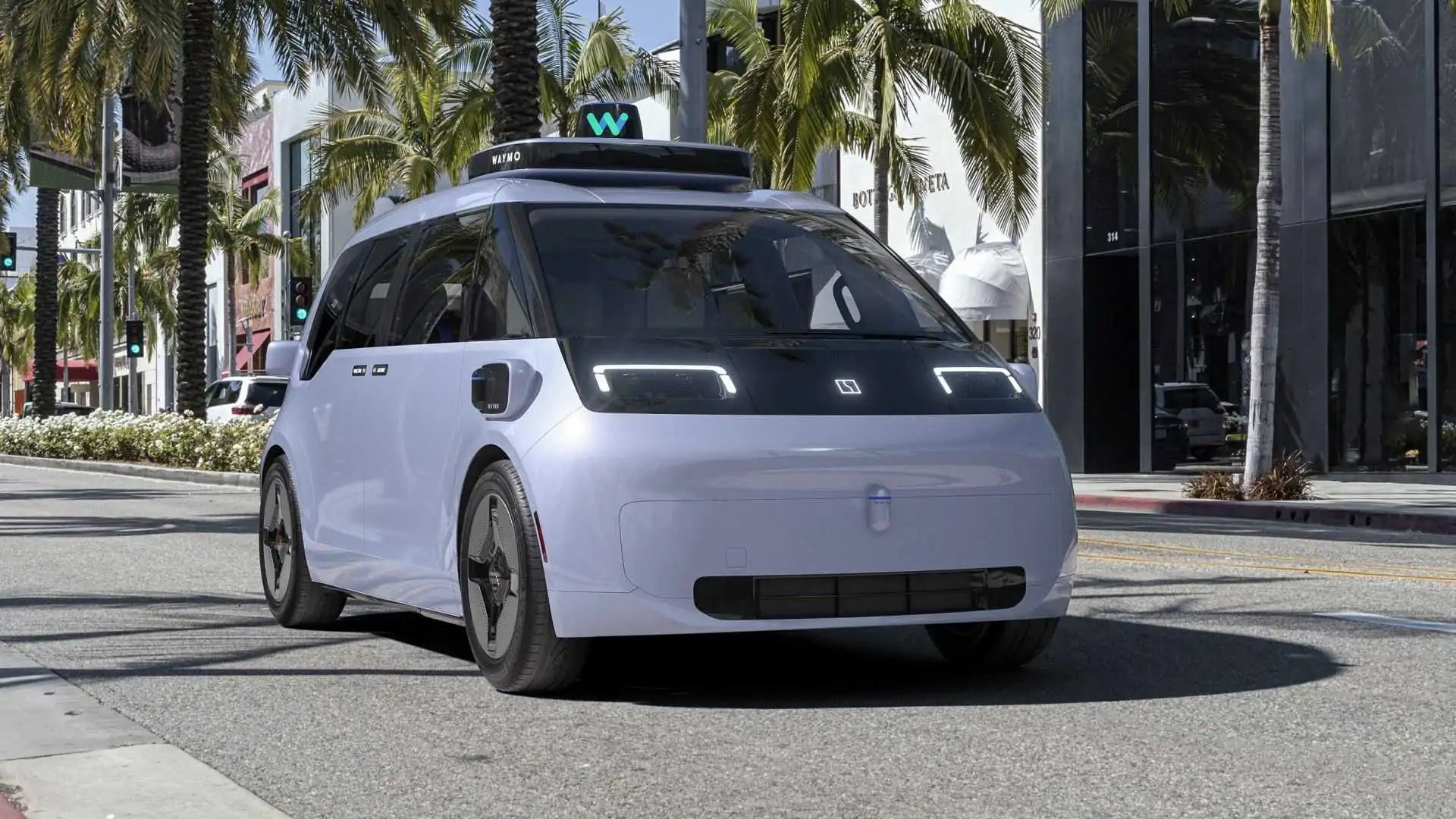
Let’s talk about some, some specifics. Waymo had a, a sixth generation of their vehicle on show. They had a Hyundai, they had some kind of geely, which has got some kind of zr kind of name that does not appeal to, to, uh, am Americans or, or European consumers. So apparently this GI had been renamed the O High or something like that, but you know.
Maybe I’ll attach a picture if, if I can find it. One thing Charlie noted was that both these vehicles had pedals and a steering wheel. When you ride in a Waymo, it does feel superfluous. It seems as if there’s an invisible chauffeur because like the steering wheels turning and the pedals are moving [00:12:00] and it’s.
Kind of pointless. In fact, the whole layout of the car is a bit silly. ’cause if you are in the front seat, you’re like straining to look to the back and it’s just not a sensible layout. Now back in, in the days of horses and carriages, you sat facing each other like you would in in a railway carriage. And.
There was a body style called the vis-a-vis what we, British historians call the Ed Edwardian period. But before the First World War, I guess Americans call it the brass era, don’t they? But in, in that era, before the first World War, before the Model T sort of made sure everyone designed cars basically along the same lines.
Before those times there were people doing vis-a-vis kind of body styles and basically this is, I think, gonna make a comeback. So this Zika, Gilly O Ohio affair had suicide doors, you know, no be allowed. Doors to open in the middle. The point was made that that really [00:13:00] does make them a lot more spacious to get in and out of.
And I found myself thinking as I’m talking about the old Austin FX four taxi cab. That really was a lot easier to get in and out than a normal car was. And it’s partly ’cause the roof was higher, but that is an easier vehicle to get in and out of because of how the, uh, the doors hinge. 16 cameras, five liter, six radar, and two.
Ears I put there. I’m not sure if that’s, uh, exactly what I wrote, but anyway, a total of 29. Sensors. The Waymo system is rolling out to colder cities as we speak, and of course the colder city thing represents a couple of challenges there. There’s the actual weather itself, you know, the. The snow being on the road and the car fighting it hard to grip or the snow being at the side of the road and the car having to know that that snow and it’s okay to drive into it and all of the crap being on [00:14:00] the road.
So it all getting on the lenses of the cameras and all of that. So the car not seeing as well as it, it as not, maybe not all of its 29 sensors working properly. There’s that, but there’s also the lurking fundamental of the fact that batteries really do not do well with really cold weather. You get into a sort of vicious cycle when the weather gets cold that the battery doesn’t perform properly, but you need to have the fan on to put the heat and the heater on, and the heated seats on, and the lights on, and the wipers on.
Right when the battery’s at, its very worst. So there’s definitely gonna be implications for range on that, even in a new ev and even in in, you know, and even if the implications aren’t serious, if you are in the office watching the snow coming down, thinking, hmm. I’m really gonna need to exercise the battery much [00:15:00] higher, harder than I used to.
You know, it’s a different flavor on range anxiety, isn’t it? I guess that’s what I’m saying.
Nvidia had a big stand. The adjective was they were everywhere. That everywhere was what I wrote down, like Intel Inside used to be, you know? It’s that sense that this is the platform upon which this is, this is built on. Just to be clear, this what Nvidia have is an open source AI platform for autonomous car development.
Apparently Uber have developed an autonomous vehicle based on the lucid gravity, and that’s gonna roll out in 2026, and they’re talking about 2000 units. To that end, one of the things that Charlie mentioned was he usually tries to get a flavor of, of, you know, these technologies in order to demonstrate the technologies.
People at [00:16:00] CS will pick different cars to, you know, put the technology on, sometimes do their own, sometimes well. He feels like there’s usually a car of the show and, you know, a platform that most people have chosen. You know, this will be a cool, futuristic, yet practical way to reflect our cool technology kind of thing.
You know, the, the platform of choice, there’s a platform of choice each year, and he said he thought the platform of choice this year was the lucid gravity. You know, I think that can make sense. I think, you know, I’ll add a link to my own test of, of that vehicle, but it did seem to have a, a nice dash of the futuristic and the practical laid together, al be it, it was trying to, you know, swagger like an E-Class, a MG wagon.
It was, you were men of feel. It was cool like that, but it actually was kinda shaped like a Chrysler minivan. Um, and it actually reminded most of the Ford Flex. You know, I know people said they looked like her’s, but they were cool [00:17:00] anyway, weren’t they? And you know, you can’t judge a box judge a book by its cover.
And, uh, you can’t judge a two box SUVA two box minivan, um, simply by its two box shape. That would be my thought. I’ve yet to drive one, I went to the launch, but I’ve yet to drive a, a lucid gravity. Is that even relevant with electric cars? The driving experience anymore? I’m not sure if it is. I mean, if it’s, if it’s driving itself, it’s not relevant, is it?
If you don’t like the way it handles, you can just pay for some over the airwaves upgrades to, you know, stiffen up the suspension or something. Can you? It’s just very strange, this future world.
Qualcomm had a stand as well. Apparently they used to be called quality Communications, which is obvious when you hear it, but I didn’t actually never thought of that before. But the point is that what they had is actually a pretty eye popping piece of technology. They have got [00:18:00] a DAS, so all of the automatic driving assistance systems and entertainment.
All on one chip. I’m pausing here to just let that sink in because what we’re talking about here is cars becoming really exactly like your cell phone, that there is no fixing them. There’s one component and. You lease it ’cause it’s much too complicated for you to ever want to take on the risk of owning it.
And you lease it for a certain amount of time and uh, insure it. And if it goes wrong at any point in that time, you just send it back and, and wash your hands of it. Cars of the 1920s and thirties, I mean, I’ll add a link to a recent Dave Freeberg I watched where he drove a model. A from LA to Phoenix, or at least attempts to drive it from Model A to Phoenix.
The car’s 96 years old and the amount [00:19:00] of tweaking and fiddling and fiddling and the amount of you have to know, and let me call the old coup and the old guy say, that amount of oil drippings fine. The amount of that kind of. Dirt under the fingernails experience, having worked with more older, more experienced guys, it’s an artisanal skill that’s being demonstrated with that vehicle that is completely absent a hundred years later, completely absent.
There’s no artisanal skill here. If the stereo breaks, you throw the car away and if the lane change assist breaks, you throw the car away. It’s like, I feel it’s like a racehorse. It’s like it’s a bit lame. Take it out behind the barn and shoot it. It’s a bit like that, isn’t it? I mean, that’s where, where, where we’re getting to with it.
But of course what that’s also gonna mean is when we can bang those chips out very quickly. We’re gonna be able to [00:20:00] make mobility devices that have all of the functionality that we’re used to at a very, very low price point. This enables the $25,000 ev. Moreover, it’s not even that revolutionary because phone chips already have this kind of multiple functionality.
On one platform, wasn’t it? The E 67 series that like has enough wiring in it to stretch around the world. And then ever since that kind of time, they’ve been looking to like simplify the wiring and have can bus rather than individual networking and, and then this is like that on steroids.
So during the pandemic there was a chip shortage. A lot of vehicles sat idle during the pandemic, there were like fields of F1 fifties that were idle ’cause you couldn’t get certain modules. So, you know, if [00:21:00] you wanted like certain cars without heed seats, you could get ’em. But if you wanted the ones with heated seats, you had to wait because the right chip wasn’t coming out of the fact sheet or supply chain disruption.
That was the story of the pandemic supply chain disruption. And in 2026, has it gone back to the way that it was before the pandemic? Sort of, but not quite. There are still some things that take longer to arrive than, than they used to. And if you go down the Amazon road. You dodge a lot of that, but if you try and actually support retailers other than Amazon, you do sometimes get very variable journey times.
So in the pandemic, F-150 sat unfinished Tesla, if there was a chip missing, they could simply re-engineer around that missing chip because it was all a software platform so they could sell cars anywhere because they owned the whole software stack. So this XO [00:22:00] me company that have recently done this supercar.
You know, I’ll interrupt myself and do a little thumbnail on the Xmi car pronunciation. I’ve probably got wrong. The important thing is, is this is a company who make all sorts of other appliances, cell phones, but also fridges and coffee makers and all that kind of thing. This is a company. That does all sorts of different things, but the important thing is, is that they own the whole software stack.
That means that that things like engineering features, like using your phone to unlock the car or using your phone to start the car or turn the heater on 10 minutes before you get back to it. Those kind of features, which are a little clunky where the car makers are having to integrate with the cell phone maker.
For ami, it’s not like that because the car [00:23:00] literally is just another cell phone. The componentry in it is just another selfer. And just to recap, there’s a sea change there between the F1 fifties waiting for the widget to arrive so that they can be completed and sold to the way the, uh, software defined car.
Even the Teslas of half a decade ago, the software engineers could just completely re-engineer around that issue. They could re rewrite the software so the software could talk to the hardware that actually was available forward. Couldn’t do that. They didn’t have that kind of of agility. This is kind of mind blowing stuff, isn’t it?
Tied to this notion of the car, the supercar as a sort of flex [00:24:00] for any kind of business, uh, in China, any kind of electronics maker to sort of show their prowess. The Nebula NX one, these guys. Basically do robotic vacuums. That’s their thing, but they’ve done a supercar that has 1,876 horsepower.
So there’s these, uh, guys, tensor shift based in San Francisco. I’d never heard of ’em before. I might need to investigate them further. It can be autonomous or not. It has a steering wheel which retracts into like their dash. It’s based on the VIN Fast, and I guess one of the novel things about it is that the sensors are built in.
They’re not like bolted on in that weird way that they are. The Waymo’s have them bolted on to the jaguar eye [00:25:00] paces, and it’s not that weird kind of roof rack. Deal, which, you know, the zoos for a long time have around San Francisco have had on the, it’s like a normal Highlander carrying like a really heavy roof rack affair,
comma ai. So this is for like a thousand dollars. It gives you level two a DAS. Automated driving and assistance, so it’s like bolt on autonomy, put in parentheses afterwards, some questions and exclamation marks. Yeah, see, I’m not ready for that. This is like aftermarket autonomy that you can put into your existing car.
I mean, I dare say some geeky types do it. Are these the equivalent of George Baris? You know, when Baris and what’s he called? The guy out in the desert, whose birthday party I went to that time? Gene? Winfield. Winfield, with the [00:26:00] Frenching in of the headlights and the lake pipes. I mean, is this. That version of that, that you buy your new car and then you buy this com AI platform and you have a higher level of a DAS.
If you are, if you’re using the adas and it crashes, like can you sue com ai or do you have to eat the cost yourself? Apparently Rivian customers have been doing it, but apparently you have to like take down the headliner or some kind of Tom foolery like that. But it works across all sorts of different OEMs and it’s like community development, you know, all of that.
You know, it was all talked about in the same way as they were talking about Linux, you know, with that same kind of like, oh, oh, it’s the promised land. Oh, that people would have engineered types, would would’ve, when I was selling tech. 25 years ago, and you were like, yeah, dude, it’s like zip tied [00:27:00] together.
That was the problem with, with Linux. Like I remember asking city guys about Linux and them just being like, why would you, why would you go with the cardboard box and zip ties when, you know, you could just go buy a nice new plastic container if you’ve got the budget. I’ve got, you know, that was the, the thought of, yeah, so the, the community development piece, I’m not sure.
Zoox, they were offering free rides in Vegas, so like publicizing, but it was a set route, so it was just kind of programmed to do it. So. Kind of a whatever there, but you know, we’re, we’re in a place still where in 2026, where my wife and I might be comfortable using Waymo because it’s been in the city for as long as it has, but it’s still like a tourist novelty.
So many people in California will not have ridden in an autonomous cab in the beginning of 2026. You’re very conscious that [00:28:00] it’s, we’re a little bit like at the stage of the, uh, Paris to Madrid death race of 1903, where, you know, the car makers, those of us who knew cars, you know, we developed them and we knew that you needed to put the big engine with the high compression in the lightest chassis possible.
And we also knew that that meant you could go faster than mile a minute, three times faster than any horse, three times faster than anything, anybody. Out in the countryside, in these little villages that you were blasting through had ever seen before. That’s the shocking thing with it. And if you look at film of that era, you see people like strolling across the row do, do, do you know?
’cause like obviously, you know, you think about the fastest thing you’ve ever seen is a galloping horse. Obviously if it’s right down there, you can stand in the road and wait for it to arrive. It’s like group B before group B almost.
Hyundai, uh, were there with [00:29:00] these like exoskeleton things, like leg braces to like help you walk. I wasn’t sure if it was to help out, focus legs didn’t work at all, or if it was like you’re feeling lazy, it would help you like speed walk, uh, pills. I’m gonna investigate that a little more. BMW have got their noya class of vehicles there.
Just bristling with new ideas. And really if we just stop and think about that because BMW have embraced this sort of techno ness, their brand is ready to take on all of these kind of futuristicy kind of things. Mercedes, were offering like level two self-driving. Two plus plus it’s called, and this is nitsa.
The government agency has classified various levels of, of self-driving, and so what we’re saying is that we’re sort [00:30:00] of gilding the turd almost on being on the way to it. What do I mean by that? The vision is that you want to just be able to sleep, don’t you? You wanna be able to. Get drunk sleep in the backseat of the car while, while it drives you home.
That’s what you want. But the reality is that these self-driving systems at the moment have all these things that kind of defeat the purpose of them. They, they make sure that you’ve got your hands on the steering wheel that makes sure you’re looking in the right direction. It’s like they want you to be pretending to drive, even though the car’s driving.
And, and that’s all around the legalese, right? Because if you are in the backseat. Passed out drunk. You can’t be responsible for the car crashing. Somebody else has to be responsible. And that means it’s either the software writers or the car developers or the tires or the people that design the road or, or, or it’s not well.
So for those. Insurance implication reasons. For those reasons, you have to be mentis and and paying attention. So [00:31:00] that’s why we have this kind of absurdity of the car makers trying to NT driving and, and putting on more and more and more of these assistant features, which basically are self-driving, but insisting that we carry on going through the motions of pretending.
To be driving the car. You know, the, the wage guys, Western automotive journalist guys who were there, Charlie Myron felt like the Mercedes thing didn’t seem fully baked. Uh, they felt like they could drive better than the self-driving was doing, which I do not feel with the Waymo. Occasionally, there are some things that I might do a little bit differently, um, but to be honest.
The only thing with the Waymo is 25 miles an hour, it follows the speed limit. And there’s some streets in San Francisco where that’s a bit of a holdup, but you know, you can’t program it to speed, can you? So, you know, I find pulling out of intersections, that kind of stuff, it shows really excellent judgment.
Doesn’t hesitate. Yeah, I, I really have [00:32:00] no complaints about the way the Waymo’s driven me in San Francisco, and I would say I’ve taken, you know, more than 20 journeys in it and pro and around the city. It’s only recently started going out to the airport. Waymo. You know, my wife’s point around that, and it speaks to how people grow.
Into familiarity with these kind of things. I’ve already said. For her it’s a premium experience. To ride, to work in a Waymo over an Uber or an Uber is midway between, you know, riding the bus or, or driving herself in terms of a, a, of a premium experience. She doesn’t like the idea of a Waymo out to the airport because you’re just on the highway and if something happens, you can’t tell it.
Pull over and just get out. Which I had not. I thought with that much acuity about what it would be like. I was just like, awesome. I can get out to the airport, but all sorts of things. Where’s it gonna, if you are at the airport and you’re having it come and pick you up, if there’s really bad traffic or if it has to circulate lots, [00:33:00] is it gonna be able to do that properly?
And Uber driver, even though he probably doesn’t speak English properly, or it’s not his first language, you can at least call him and try and communicate with him. You can text message him. You obviously, you can’t do that with a driverless Jaguar.
Yeah, so that Mercedes level two plus plus, I mean, it doesn’t seem fully baked. I felt like I could drive better. They were the two bullet points, but the third bullet point was you can buy this now. I guess I’m underlining that because that’s a state of the nation right now. That’s what we can get right now.
I mean, Lord knows how good this may be. Interest in going on the forums or the Facebook groups or, or whatever and seeing how good this comma AI thing is. I mean, I’m sure well, we’re right back to French headlights, aren’t we? And, and lake pipes and people who are really pushing the limit of what you [00:34:00] can and, and can’t do.
Fascinating though, isn’t it? It’s like a subculture that you never knew existed.
Sony and Honda have partnered to create this vehicle called the A feeler. It’s sort of mobility as an entertainment opportunity. It’s more than a hundred grand. And the general feeling apparently amongst uh, delegates was, was the fucking point of that. You know, it’s a bit like the Wagoner, you know, it’s like who needs a hundred grand SUV That’s not that well made, like, just seemed weird.
There’s this company, they German guys who had remotely driven cars, so they were autonomous. But they were remotely driven, which on the face of it you are like, is that real autonomy? But if you think of it, you know, 200 bus drivers sitting in one room and they’re able to drive buses for [00:35:00] the whole of California.
There need to be more than 200, but you understand there are potential economies there to people being able to do this kind of remote driving. And again, I, I feel like you need to look more closely into what they’re doing. They VAY to really understand it because it does feel like it’s one of these things that could be very incremental on the path towards autonomy.
And what I’m thinking about with this is. Bens vis-a-vis that we were talking about earlier, you know, with this vis-a-vis seating. You know, that was the era of like hot tube ignition, and then it evolved onto magneto and you know, there’s been a progression. The functionality which we see, which we saw evolving cars over a hundred, 150 years, that functionality.
Came about as a result of [00:36:00] incremental improvements in many, many little technologies such as, you know, ignition technologies. And I suppose this remotely driven thing. It felt to me like a step on the road towards the full autonomy, right? Because if it’s remotely driven, mostly it could be driving itself.
But the person sitting there with their hand on the steering wheel, maybe that can be remote. You know, there are, there are. It’s just interesting how it’s taken, even though my initial thought was, what’s the point? Now I’m revisiting it. I, I can see some, some points to it.
The Leo flying motorcycle. This was the single coolest thing. They were like, it only hovers at 15 feet, but basically it’s like a Star Wars speed bike. As far as I could make out. I just want to get hold of them and road test it. In fact, I think I might, you heard it here first. I wanna road [00:37:00] test a flying motorcycle.
I want to be a flying motorcycle road tester.
So it’s these guys donor, and this is linked D-O-N-U-T from Finland, Estonia, that’s in, from that like neck of the woods. They have a solid state battery. They’re probably thinking, well, what exactly does that mean? Really what it means is that it’s like a battery that you can shape, almost like. It’s like C four explosive, you know, like the model they had was, they had it on, uh, uh, where like the battery was hooped inside the rear wheel of the motorcycle.
I’m thinking, wow, just, just imagine that all the weight is on the rear wheel of the motorcycle and the, you know, just, just such a cool. Kind of of thing. I will investigate that further and, and maybe do a extra insert and certainly I’ll add a [00:38:00] link to, to what they’re doing here. The practical application that they were considering was how you could put that solid state battery.
The wheels of 18 wheelers. So what you’ve got there is, and the thought that that I had was I didn’t really understand hybrids until I was watching Toyota at Lamar and watching the onboards and watching the way the electric motor allows it to like launch out of turns. And before then, I’d not perceived the way electric motors could be used to talk.
Phil. And I’m not perceived the way having a big gas motor on the rear axle and an electric motor on the front axle. I mean, it just means it gets outta turns and off the line like it was a four-wheel drive rally car It, I mean, it’s just a scintillating thing to observe and experience and hear. [00:39:00] If you’ve been used to the world of, you know, ice.
Two wheel drive stuff,
those agricultural stuff as well. A John Deere combine harvester that was AI powered Kubota doing AI powered bulldozers, and the thought was around. You know what the construction site of the future might be able to look like when AI is, is applied to it because they are a particularly difficult environment foris for an AI platform because they’re continually changing.
The machine needs to be able to adapt to really a very, very challenging, continually changing environment. If you, if you think about it, it’s way easier to develop robots. Well, maybe not. I was gonna say way easier to develop robots to work in a warehouse. But if you think about it, uh, the robots in a warehouse have to be pretty turned on, you know?
’cause that’s a constantly [00:40:00] changing environment as well, with shelves constantly being filled and emptied. By different robots that might be working on different infrastructure.
Just jumping back to this sort of Qualcomm thing and this idea that you can have multiple system functionality on one chip, you don’t need separate chips for just separate functionality. You can have multiple functionality on on one chip. It was this idea that therefore radar. And Leadar could be combined into a single piece of hardware.
So let’s step back and, and think about that then Supercars as a flex. That’s kind of cool, isn’t it? Still that supercars are a flex, even if it’s a EO, before they built the gfo. Built fridges, didn’t they? So kind of, why not? Kind of, it’s in keeping [00:41:00] with the way the supercars have always been. So, you know, David Brown made boring tractors.
Lamborghini made boring tractors. They made great supercar afterwards. So you know when I’m not knocking Nebula for doing that and I’m definitely not knocking Xmi for Shami Xmi Shami kebab. I’ve written sharmi, like Sharmi kebab, but I don’t think that’s quite ripe for the pronunciation. Apologies, by the way.
I mean, it’s deeply patronizing, isn’t it? To not even know how to pronounce Mercedes Mercuries Meade, how do you say it? I mean, it is a bit insulting, isn’t it? So I’m sorry about that. But is it even a car? See, that’s the thing. If it’s a software stack. Which it is. It’s just there. It’s really weird, isn’t it?
It’s not just driving, which is being de invented by this autonomy. It’s cars as we know them. It’s cars as being pieces of [00:42:00] hardware, uh, rather than pieces of software. That’s, that’s what it is. They’re turning into software defined vehicles, which is where we came in, isn’t it? So is that ACEs measurement, is that still.
Relevant. I think it is, isn’t it? I think it very much is. I think we can see electrification coming, but with rocks on the road, I think we can see autonomy coming, but with rocks on the road and in specific applications. But just like electrification, the main thing holding up autonomy is gonna be our skepticism and our fear.
You know, a lot of our fear, I’m, I’m reminded of those 19th century English doctors that swore that if trains went faster than 60 miles an hour, people would simply suffocate. They’d simply suffocate. You just can’t breathe. Moving at that ta incredible speed of [00:43:00] more than a mile a minute. It’s just not possible to breathe.
It seems reasonable, doesn’t it? If you’ve never been. N never been 60 miles an hour. If you’ve never been faster than 30 miles an hour on a galloping horse, my God, 60 miles an hour does seem unimaginably fast. Maybe you couldn’t breathe. Thank you. Drive through.
This episode has been brought to you by Grand Touring Motorsports as part of our Motoring Podcast network. For more episodes like this, tune in each week for more exciting and educational content from organizations like The Exotic Car Marketplace, the Motoring Historian, break Fix, and many others. If you’d like to support Grand Touring Motor Sports and the Motoring Podcast Network, sign up for one of our many sponsorship tiers at www.patreon.com/gt Motorsports.
Please note that the content, opinions and materials presented and expressed in this episode [00:44:00] are those of its creator, and this episode has been published with their consent. If you have any inquiries about this program, please contact the creators of this episode via email or social media as mentioned in the episode.
Highlights
Skip ahead if you must… Here’s the highlights from this episode you might be most interested in and their corresponding time stamps.
- 00:00 Why CES Matters
- 01:10 EV Future Hopes
- 03:23 Three Revolutions
- 05:32 Shared Rides and Waymo
- 09:38 ACES and Investment
- 11:13 Waymo Gen 6 Hardware
- 13:33 Cold Weather Challenges
- 15:09 Nvidia and Lucid Gravity
- 17:41 Qualcomm One Chip Cars
- 21:39 Software Defined Automakers
- 25:19 Aftermarket Autonomy Debate
- 27:24 Autonomy Reality Check
- 28:56 More CES Oddities + Flying Bikes and Batteries
- 39:11 AI Construction Machines
- 41:50 Is ACES Still Relevant?
- 43:29 Outro and Credits
Enjoy more Motoring Historian Podcast Episodes!
The Motoring Historian is produced and sponsored by The Motoring Podcast Network